



20 Dec How Psychologists Diagnose ADHD in Children
Diagnosing ADHD in children can feel overwhelming for many parents, especially when signs of inattention, hyperactivity, or impulsivity begin to affect school or home life. A structured assessment by a trained psychologist helps bring clarity, direction, and supportive next steps.
At Still Waters Psychology, Ashley Shaw uses evidence-based tools—including interviews, standardized tests, and ADHD checklists—to ensure each child receives a clear and accurate understanding of their needs.
Understanding ADHD in Children
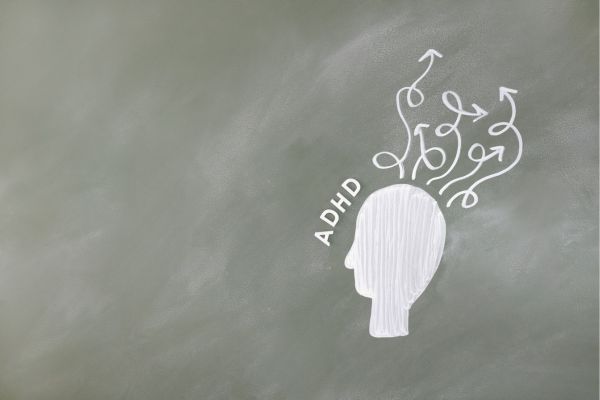
- ADHD is a chronic but manageable neurodevelopmental condition characterized by symptoms of inattention, impulsivity and hyperactivity. These symptoms make it difficult to regulate attention, behaviour and emotions.
- Individuals with ADHD may have problems listening, completing tasks, and keeping track of time and belongings. They may also be restless, seemingly always on the go, talkative or impatient.
- Individuals with ADHD can learn to thrive with the appropriate tools and supports. Early assessment is important to understand individual challenges, manage symptoms, and to build confidence.
- Each person experiences ADHD differently. A comprehensive assessment not only confirms a proper diagnosis, but identifies specific strengths and challenges so an individualized plan can be developed to manage symptoms.
The First Step: Clinical Interviews with Parents & Child
- Parent interview (or individual interview with an adult client) to discuss behaviour patterns, developmental history, and school challenges.
- Child interview (age-appropriate) to understand their daily experiences and emotional needs.
- Gathering information from multiple environments (home, school, activities).
- Parents and teachers spend a significant amount of time with children. How they describe your child’s behaviour and specific challenges helps identify symptoms of ADHD.
Behavioural Observation During Assessment Sessions
- A Psychologist may ask your child to participate in an activity or game to observe how they follow instructions, organize themselves, and complete tasks. They may also ask questions about their experiences at school, in activities or in social settings, and at home.
- A clinical setting tends to bring out a child’s best behaviour because the setting is novel and structured and there are fewer demands.
- At home, parents may observe more emotional and behavioural challenges because there is less structure and they feel more comfortable being themselves. At school, where the demands are higher, children may have difficulty sustaining attention, controlling their impulses, getting along with others and finishing their work. It is important to collect information from teachers and parents about behaviours they observe at home or school along with observations made in a clinical setting to have a better understanding of your child’s specific strengths and challenges.
Using ADHD Checklists & Rating Scales
- Everyone can misplace items sometimes or lose focus, but for individuals with ADHD, they experience several symptoms more often impairing functioning in several areas of their life. Standardized checklists allow a Psychologist to evaluate these symptoms and determine whether they meet criteria for a diagnosis.
- Common rating scales used include the Conners, Snap IV, and Barkley current symptoms scale(e.g., Conners, Vanderbilt).
- Input gathered from parents and teachers to assess symptoms across settings.
- Rating scales can be criterion-referenced (do they have symptoms of ADHD) and norm-referenced (how do these symptoms compare to other children of their age). Comparing the child’s behaviour to developmental norms helps differentiate a young child who isn’t old enough yet to manage his impulses appropriately from a child who has a developmental difference such as ADHD.
Standardized Psychological & Cognitive Tests
- Tests used to examine attention, working memory, and executive functioning.
- How these tests reveal strengths and challenges beyond surface behaviours.
- Why cognitive assessments help rule out learning difficulties or emotional concerns.
- Ensuring accuracy through evidence-based tools.
Ruling Out Other Possible Causes
- It is not uncommon for ADHD to exist along with other conditions such as anxiety, learning difficulties, and sleep issues. It is important to consider all of these to best inform recommendations for symptom management and support.
- Not all inattention can be explained by ADHD. Anxiety, trauma, and other cognitive or learning challenges can also contribute to difficulties with attention. An assessment will identify any other possible explanations in order to inform the best approach to managing symptoms and supporting your child.
- One of the differentiating features of ADHD is that symptoms are present both in childhood and adulthood and across settings. A full mental health and educational history provides information to support the diagnosis or identify other potential causes or other potential areas of exploration.
Interpreting the Results: What Parents Can Expect
- At Still Waters Psychology, your Psychologist will combine and summarize data from interviews, tests and checklists to provide answers to your questions about your child’s behaviour and challenges. This information is presented to you in a written report and explained during a feedback session to help you understand what receiving a diagnosis means.
- Your Psychologist will create a clear diagnostic picture for ADHD in children. They will explain your child’s attention differences and how they connect to your child’s strengths and challenges. Although parenting style does not cause ADHD, children with ADHD may benefit from different approaches to parenting. You will receive information and resources to explain these different approaches and be guided towards the first steps in supporting your child.
- The final stage of assessment is a feedback session where your Psychologist will review the report and explain the results in detail with you. You will have an opportunity to share how the diagnosis impacts you and ask any questions you may have. For some, a diagnosis may be difficult to receive, and for others it may provide relief, and for many, a diagnosis brings a mix of emotions. At Still Waters Psychology, we respect and honor your unique experience and provide a safe space to share and receive support.
- Finally, managing symptoms of ADHD is best done by making several small steps, one at a time in the same direction. Your Psychologist will share with you their recommendations including parenting, lifestyle, education, strategies and accommodations and help you create a plan that makes sense to you.
Next Steps After Diagnosis: Support & Treatment Options
- Overview of ADHD behaviour therapy and parent-training approaches.
- Working with teachers to create structured routines and accommodations.
- Importance of emotional support and skill-building for children.
- How ongoing sessions at Still Waters Psychology can support long-term growth.
Conclusion
Diagnosing ADHD in children is a thoughtful and detailed process that brings clarity and reassurance to families seeking answers. Through interviews, rating scales, and observation, Ashley Shaw ensures every assessment is thorough, accurate, and supportive of the child’s unique needs.
Parents who notice persistent challenges with attention or behaviour can benefit greatly from an expert evaluation.
If you’re ready to understand your child’s behaviour and explore effective next steps, reach out to Ashley Shaw at Still Waters Psychology today.
No Comments